What VANOS is
VANOS is BMW’s name for variable camshaft timing. The word comes from the German Variable Nockenwellensteuerung, meaning variable camshaft control. In a conventional engine the camshafts are fixed in relation to the crankshaft, so the valves always open and close at the same point in the piston’s stroke. That fixed timing is a compromise between low-speed torque, high-speed power, smooth idling and emissions.
VANOS removes much of that compromise. By rotating a camshaft slightly ahead of or behind its base position while the engine runs, the system changes when the valves open and close. The engine management selects the most suitable timing for the load, speed and temperature at that moment, which improves torque across the rev range, smooths the idle, and helps the engine meet emissions standards.
Single VANOS and double VANOS
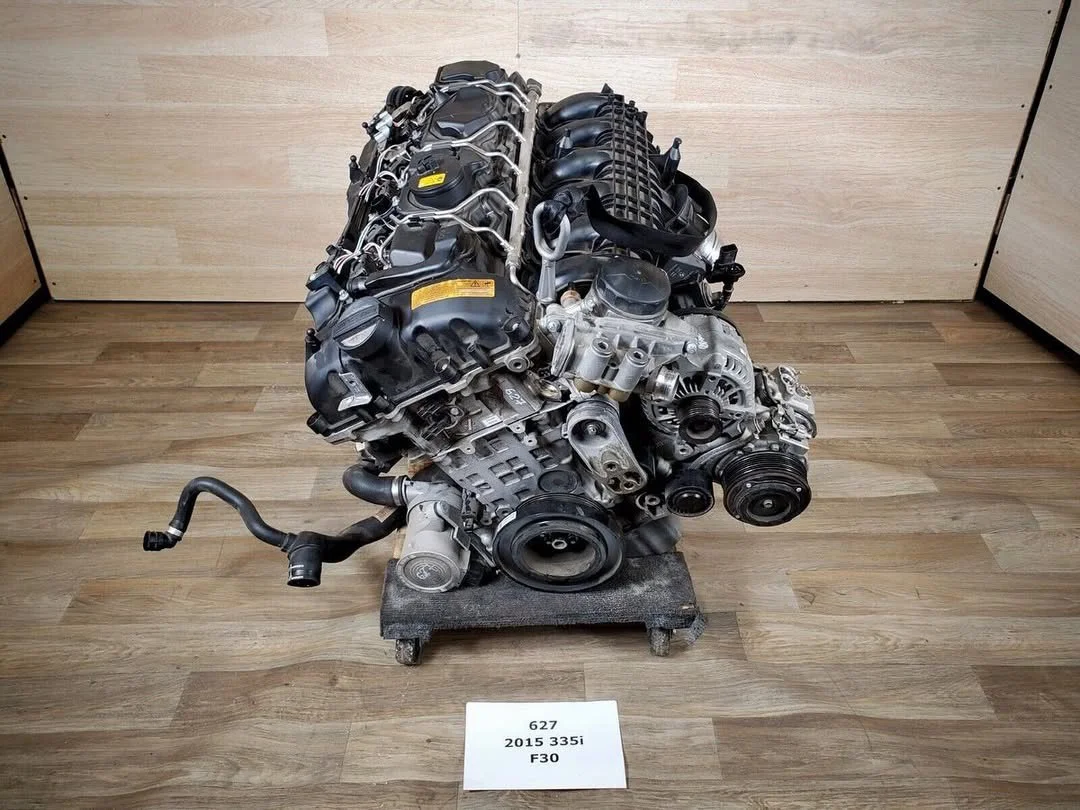
The first VANOS systems on BMW’s mainstream sixes adjusted only the intake camshaft. This single VANOS appeared on the M50 in its updated form in the early 1990s and was used on several engines of that decade. It offered a limited range of positions, yet it gave a noticeable improvement in low and mid-range torque compared with fixed timing.
Double VANOS adjusts both the intake and the exhaust camshafts, and does so continuously rather than in steps. It arrived on BMW M and mainstream engines in the second half of the 1990s and became standard on the petrol sixes that followed, including the M54, N52, N54, N55 and B58. With control of both camshafts, the engine management can also manage valve overlap, which influences internal exhaust gas recirculation and emissions.
For a replacement buyer, the distinction matters mainly as a way of dating an engine. A unit with single VANOS belongs to an earlier generation than one with double VANOS, and the solenoids, sensors and wiring differ accordingly. The engine code identifies which system is fitted, so there is no need to guess from the shape of the timing cover in a photograph.
How the system works
VANOS is hydraulic. Engine oil under pressure is directed by solenoid valves, controlled by the engine management, into an adjuster at the end of the camshaft. The adjuster rotates the camshaft relative to its sprocket. Camshaft position sensors report the actual position back to the control unit, which compares it with the target position and corrects any difference continuously.
Because the system runs on engine oil, its health depends on oil quality, oil level and oil pressure. Sludge, the wrong viscosity, a blocked screen or a worn oil pump can all make the adjusters respond slowly or inaccurately. On several engines small filter screens protect the solenoids, and those screens are a recognised point to inspect when VANOS faults appear on an otherwise healthy engine.
Symptoms of VANOS trouble
Typical complaints include a loss of low-speed torque, an uneven or hunting idle, hesitation when pulling away and poorer fuel economy. The engine management usually stores fault codes when the measured camshaft position differs from the target, and the engine warning light may come on. Severe or persistent deviations can put the car into a reduced-power mode to protect the engine.
Many VANOS faults are repairable on the car. Worn seals in older units, failed solenoids, contaminated screens and faulty camshaft sensors are all replaceable parts, and none of them by itself justifies a replacement engine. A workshop should diagnose VANOS complaints with live data before concluding that the engine has a deeper problem, because the cheaper explanation is often the correct one.
Where a VANOS fault appears alongside metal in the oil, a stretched timing chain or low oil pressure, the picture changes. Those findings point to wear inside the engine, and VANOS is then a symptom rather than the cause. In that situation a replacement engine becomes a realistic option, and the inspection findings should be recorded before any decision is made.
VANOS and a replacement engine
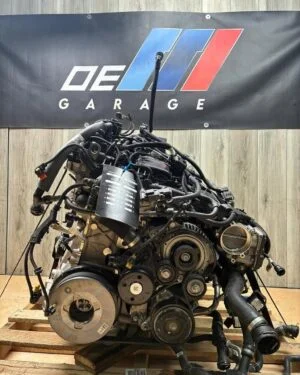
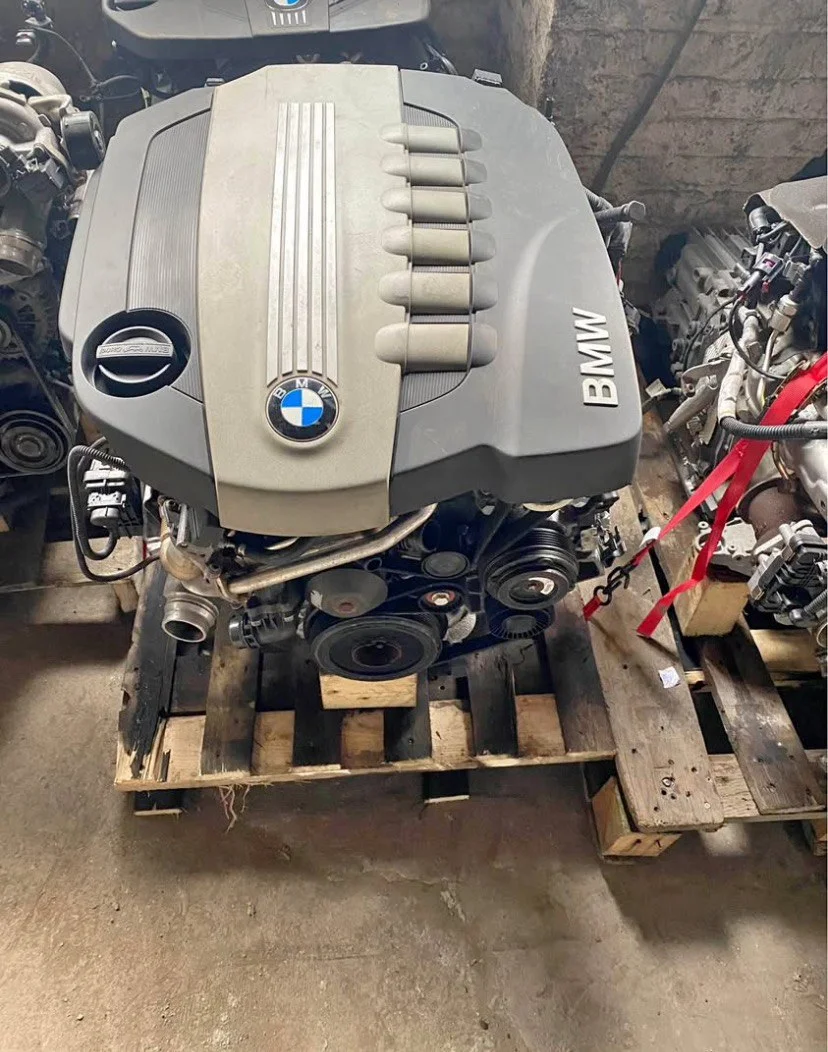
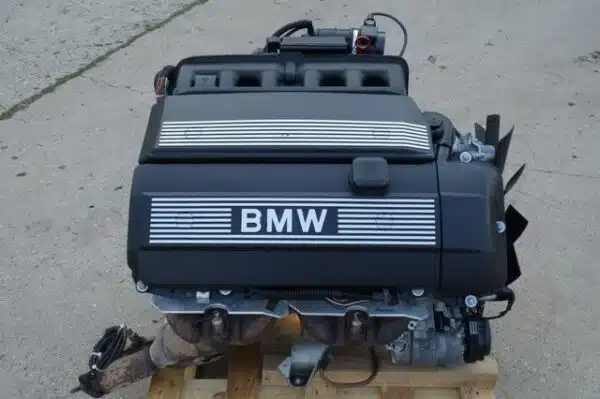
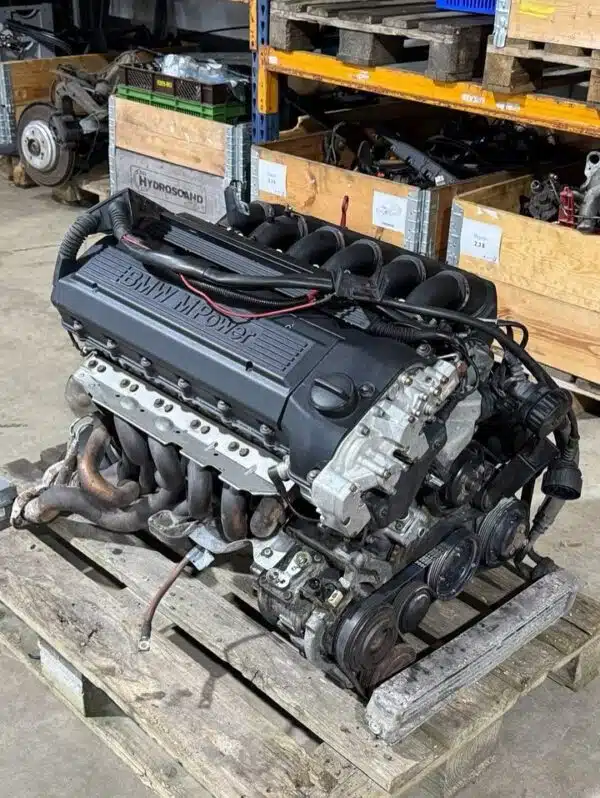
When a petrol BMW receives a replacement engine, the VANOS hardware normally comes with it. The adjusters sit on the camshafts inside the timing case, and the solenoids are mounted on the engine. Photographs of the listing should show the solenoid area and the connectors intact, because cracked connectors and damaged wiring at the solenoids are easy to miss and tedious to repair after installation.
Ask whether the engine was heard running before removal and whether any timing-related fault codes were recorded in the donor. Inspection notes from bavarianenginesstore.shop describe the unit being sold, and if a VANOS-related question is not answered on the page, ask before payment while the engine is still in Hamburg rather than after it arrives at the workshop.
At installation, the workshop should fill the engine with oil of the correct BMW specification and prime the system before the first start. VANOS adjusters depend on oil pressure to hold and move their position, so an engine started with low or wrong oil is at a disadvantage from the first second. Noise or fault codes that persist after the first start need investigation before the car is handed back.
After fitting: adaptations and oil
Once the engine is running, the workshop clears the fault memory and checks live camshaft data against target values at idle and under load. Some engines need adaptation values reset after major work so that the control unit learns the new components. A road test across different loads then confirms that the timing responds as it should and that no new faults are stored.
Long-term VANOS health is mostly a matter of oil. Use the specification BMW lists for the engine, keep the level correct, and do not stretch oil changes beyond what the car’s own service indicator calls for. That advice protects the timing chain, the turbocharger where fitted and the bearings at the same time. The wrong oil is also one of the conditions that the warranty does not cover.
Warranty
Many engines come with up to 12 months warranty. A proper workshop must fit the engine. The warranty is for a fault inside the engine. It does not cover the wrong engine, a dry start, the wrong oil, or damage done after you open the crate.
Shipping
Crate shipping from Hamburg costs 299 EUR. We pack the engine in a strong crate and send it to the address on your order. You need a forklift or an engine crane to unload it.
FAQ
Can a VANOS fault be fixed without replacing the engine?
Usually, yes. Solenoids, seals, filter screens and camshaft sensors are replaceable parts. A replacement engine is considered only when diagnosis shows wear inside the engine itself.
What is the difference between single and double VANOS?
Single VANOS adjusts only the intake camshaft. Double VANOS adjusts both the intake and exhaust camshafts continuously, giving the engine management finer control.
Does a replacement engine come with its VANOS units?
The adjusters are part of the camshaft drive and stay with the engine. Solenoids and sensors are supplied as shown in the listing photographs, so check that area before ordering.
Do you ship vanos explained to my door?
Yes. Crate shipping from Hamburg costs 299 EUR to the address on your order.
How long is the warranty?
Up to 12 months on many engines, for a fault inside the engine, after a proper fit. See the warranty page for the full rules.
Are the photos of the real engine?
Yes. When you buy Bavarian Engines Store engines from us, the photos are real photos from our yard, not made-up pictures.
Can you check my VIN first?
Yes. The VIN check is free. Send it before you pay and we confirm the engine fits.