Is there really a choice?
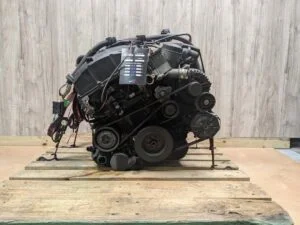
For most owners the car decides. A BMW built with a naturally aspirated six needs a naturally aspirated six of the same family, and a car built with a turbocharged six needs the matching turbocharged engine. The engine management, wiring, fuel system, cooling and exhaust are designed around one or the other. A 325i cannot accept a 335i engine as a simple replacement, even if the two cars look identical from the kerb.
Where the comparison does matter is earlier in the decision: when choosing which car to keep running, when weighing a replacement against selling the car, or when a workshop is planning a conversion and accepts all the extra work involved. In each case it helps to know how the two types differ in what they need, what they tend to suffer from, and what to inspect on a used unit.
The naturally aspirated sixes
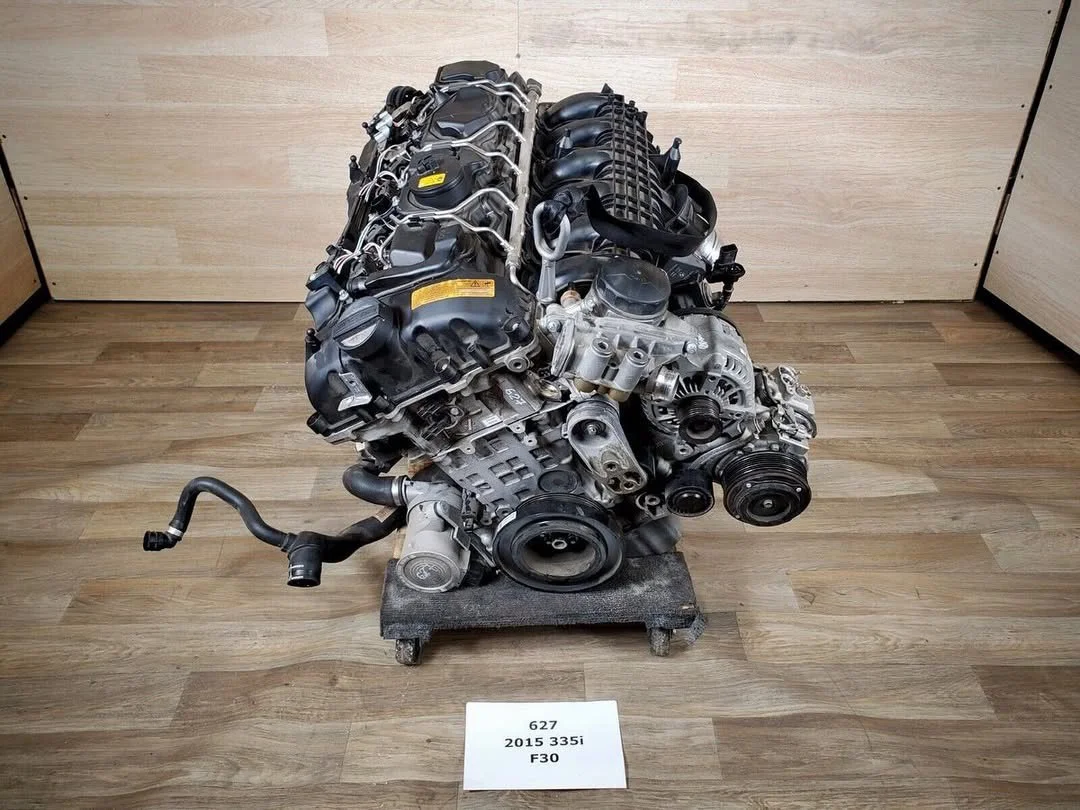
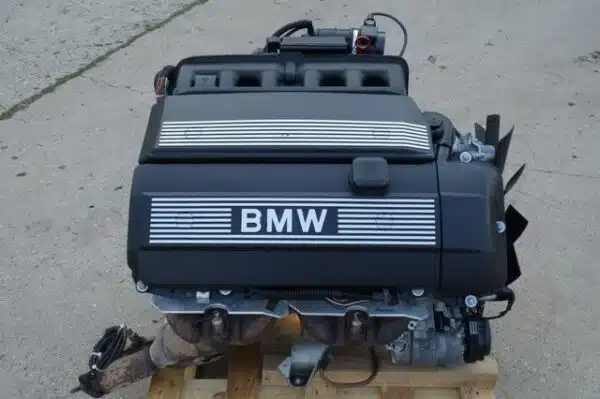
The naturally aspirated sixes most often requested as replacements are the M54, used in E46, E39 and early E60 cars, and the N52 that followed it in the E90, E60 and E87 generations. They are mechanically simpler than their turbocharged successors: no turbochargers, no intercooler, port injection on most versions, and fewer components running at very high temperature.
Their known service points are well documented. Plastic cooling-system parts age, the crankcase ventilation can fail, and valve cover and oil filter housing gaskets weep with time. On the N52, the electric coolant pump and the Valvetronic and VANOS hardware need correct oil and occasional attention. None of these is a reason to avoid the engines, but each is worth checking on a used unit before it is fitted.
The turbocharged sixes
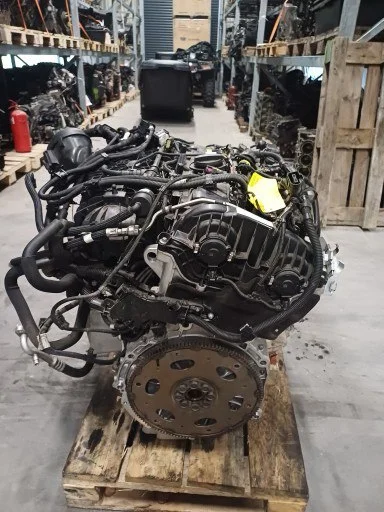
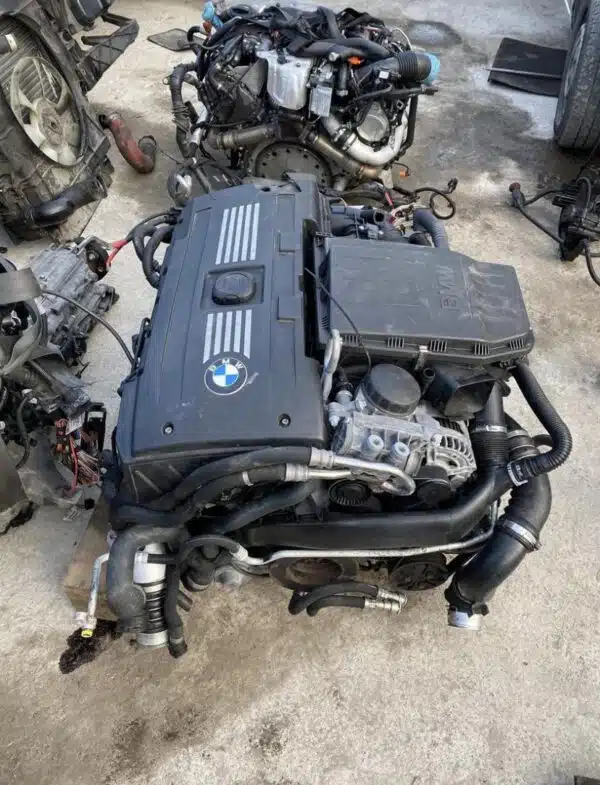
The turbocharged sixes are the N54 with two turbochargers, the N55 with a single twin-scroll turbocharger, and the modular B58. They deliver substantially more torque at low engine speeds and suit heavier cars and drivers who value performance. They also add components: turbochargers with oil feed and return lines, charge pipes, an intercooler, a high-pressure fuel pump and direct injectors, and more heat in a crowded engine bay.
Each of those components is an inspection point on a used engine. Turbocharger shaft play, oil residue in the intake and charge pipes, the condition of the oil feed lines and the state of the wastegates are the questions workshops ask. On the N54, wastegate rattle and injector condition are familiar topics, while on the N55 and B58 workshops look closely at oil leaks and the turbocharger’s oil supply.
Inspection: what differs between the two
For both types, compression measured on every cylinder, the condition of the oil, and the absence of metal in the sump are the foundation. A naturally aspirated engine is then judged mainly on its timing hardware, cooling-system connections and any signs of overheating. A turbocharged engine adds the turbochargers and their plumbing, which can fail independently of the core engine and are costly to replace.
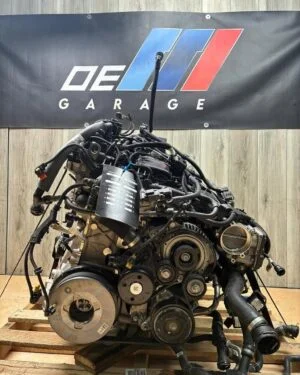
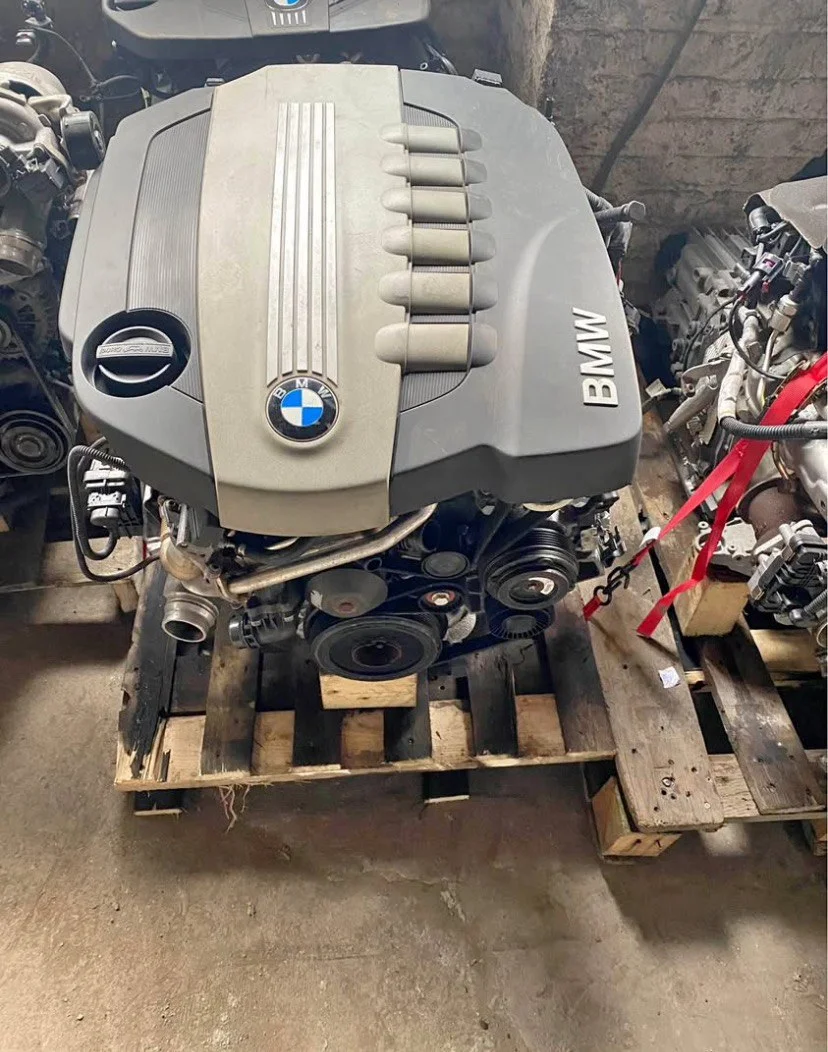
Ask whether the turbochargers are included and what the photographs show. A turbo engine supplied without its turbochargers, or with charge pipes missing, needs those parts sourced before installation can begin. bavarianenginesstore.shop sells each unit as photographed, so the gallery is the reference for what arrives in the crate, and any doubt should be resolved before the order is placed.
What each type asks of the owner
Turbocharged engines are less forgiving of neglect. Oil carries heat away from the turbocharger bearings, so the correct specification, the correct level and regular changes matter even more. Hard driving followed by an immediate switch-off is best avoided; a short period of gentle driving before parking lets temperatures settle. Cooling-system health is equally important, because turbo engines put more heat into the coolant and oil.
Naturally aspirated engines are more tolerant but not indifferent. They still depend on clean oil for VANOS and, where fitted, Valvetronic, and they still suffer when a cooling-system fault is ignored. The difference is one of margin rather than principle: both types reward correct servicing, and both are harmed quickly by low oil or overheating.
Conversions between the two
Fitting a turbocharged six to a car built with a naturally aspirated engine is a conversion project. It involves the control unit and wiring, the fuel system, the cooling system and intercooler, the exhaust, the gearbox interface, and often brakes and drivetrain components rated for the extra torque. In many countries it also requires approval from the vehicle inspection authority, so confirm the requirements with TÜV, DEKRA or the equivalent body before starting.
A conversion can be a satisfying workshop project, but it is not an engine replacement and should not be planned or budgeted as one. For a car that simply needs to run again, the reliable route is the same engine family and version it was built with, confirmed by VIN and engine code, and fitted with the ancillaries the car already uses.
When the decision is genuinely open
The decision is genuinely open in only a few situations: a buyer choosing between two cars, one of each type, that both need engines; a workshop preparing a car for resale; or an owner comparing a replacement with selling the car on. In each case the useful comparison is not turbo against naturally aspirated in the abstract, but this inspected unit against that one, with the ancillaries each needs.
Weigh the condition evidence first, then the parts needed to complete the installation, then the running demands described above. A naturally aspirated engine with good compression and a clean history is often the simpler project, while a turbocharged engine with documented readings and its turbochargers in the photographs can be the more rewarding one. Either way, the code must match the car it is going into.
Warranty
Many engines come with up to 12 months warranty. A proper workshop must fit the engine. The warranty is for a fault inside the engine. It does not cover the wrong engine, a dry start, the wrong oil, or damage done after you open the crate.
Shipping
Crate shipping from Hamburg costs 299 EUR. We pack the engine in a strong crate and send it to the address on your order. You need a forklift or an engine crane to unload it.
FAQ
Can I replace my N52 with an N54 or N55?
Not as a direct replacement. The car’s electronics, fuel system, cooling and exhaust are built for the N52, so a turbo engine requires a conversion and possibly approval from the inspection authority.
Are naturally aspirated BMW sixes more reliable than turbo sixes?
They have fewer components that can fail, but reliability depends far more on the individual engine’s history and inspection than on the type. Judge each unit on its own readings and photographs.
Are turbochargers included with a turbo engine listing?
Only if they appear in the listing photographs. Check the gallery and ask the workshop if anything is unclear before ordering.
Do you ship turbo vs na sixes to my door?
Yes. Crate shipping from Hamburg costs 299 EUR to the address on your order.
How long is the warranty?
Up to 12 months on many engines, for a fault inside the engine, after a proper fit. See the warranty page for the full rules.
Are the photos of the real engine?
Yes. When you buy Bavarian Engines Store engines from us, the photos are real photos from our yard, not made-up pictures.
Can you check my VIN first?
Yes. The VIN check is free. Send it before you pay and we confirm the engine fits.